
I recently read a blog post, by Mark Sisson, regarding loneliness and how it has become near epidemic levels.
The article discussed how loneliness is perceived as a weakness and is something we don’t openly talk about in society, which is certainly true.
To admit to being lonely is often seen as too shameful. It’s as though anyone admitting to loneliness is admitting to failure in life.
People may also not want to admit to being lonely because of the worry of what others think. The fear that being lonely might show one to be unpopular, with a lack of friends, might hold some back from discussing it.
Which is ridiculous when you think about it. Someone can have many friends and family members, yet still feel lonely.
Loneliness can also occur when people feel like they don’t fit into life. Feeling ‘different’ can lead to a sense of isolation.
They say that loneliness is worse for the health than smoking; which makes sense. Anything that detrimentally weakens the emotional health is damaging to the physical.
The fact that loneliness has become an epidemic, should not come as a surprise.
Because everyone is kept so busy with work commitments, family life, social media or just trying to figure out existence, they don’t always have time for others.
Older Generation
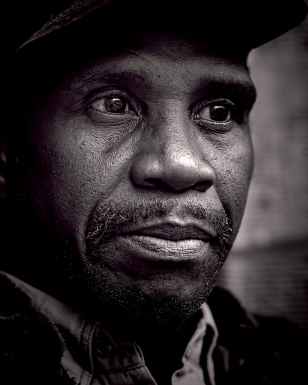
There are also many elderly people who are lonely.
When retirement comes around, some are left with all this time on their hands, with nothing to do and no one to see, and because their children and grandchildren are kept so busy, they rarely have time to visit.
For the reason that no one likes to admit to being lonely, everyone just assumes that their aging family members are ok, and are just getting on with retirement; when they might actually be suffering in silence.
I have experienced terrible loneliness once. It was for a short period, when I went to India for my yoga teacher training. I had already left the UK feeling sad, because I was leaving my husband and dog back at home whilst I did my studies, but when I arrived in India, not knowing anyone and in a different culture, I had this extreme sense of isolation that felt awful. It only lasted a day or two, until I met with my other teacher trainees, but it was a horrible feeling that I would not wish on anyone.
Fear of Rejection
I believe loneliness is made worse by the fear of rejection. We may assume that if someone doesn’t make an effort to see us, that they don’t want to be around us.
Or if we ask to see someone and they tell us they are too busy, this might be taken as a rejection. The more sensitive someone is, the worse this rejection is experienced, and the more it can make them afraid of asking others to spend time with them.
Pride is another problem. Many people are too proud to admit they feel alone. They don’t want others feeling sorry for them. Or, as already noted, it may make them feel like they’ve somehow failed.
There are certain times of the year when loneliness is experienced much worse. Christmas being one. Even people who do not enjoy the festive season, don’t want to be alone on Christmas day. Especially, if they have happy memories of spending the day with lots of family members.

Introverts tend to be better at being alone than extroverts; but that does not mean they want to be alone constantly. Extroverts are revitalised by spending a lot of time around people, whereas introverts often get drained.
An introvert actually feels more alone when with people who they don’t connect with than when alone.
As the old saying goes, ‘Sometimes the loneliest place to be is in a crowd’.
Empaths and Loneliness
For an Empath, dealing with loneliness is difficult in the ‘damned if you do, damned if you don’t’ kind of way.
Because being around people for too long can trigger emotional overwhelm, an Empath may retreat from the world to the extent that they are alone too much of the time. This in itself could trigger loneliness.
Getting the balance right, to avoid Empath isolation, takes experimentation. But it is attainable. Sometimes, however, it does involve making new friends and letting go of the one’s who cause overwhelm or energy drain. See more on the subject on this post.
The Solution
So, what is the answer?
How do we become part of the solution to preventing loneliness?
Firstly, I guess we should start talking about loneliness more openly. Stop it being such a taboo subject and being seen as something so shameful.
Secondly, even when we are not feeling lonely, work to prevent it from happening in the future.
We all get old, and we cannot expect our loved ones to always be there for us. It is a good idea to keep in touch with friends, or join suitable groups, like walking groups or creative classes.
Finding one’s passions and staying creative also keeps us tuned into our joy, which will also help prevent loneliness.
Although I know loneliness can be a signal to make changes, I still hope that one day it will be a thing of the past, especially for the elderly.
Ok, that’s my musings for today.
Hope all is well in your corner of the world.
Until next time.
Diane
©Diane Kathrine
Photos by freestocks.org and Pixabay
 Empaths Empowered