Are you one of those Empaths who can’t wait to get home and change straight into your comfies? As in the moment the door closes, the outside world is shed along with restrictive clothes, and your body finally exhales.
Or do you tend to stay in your working clothes all evening?
The reason I’m writing about this today is because I genuinely found it amusing that putting comfy clothes on the moment of getting home isn’t something everyone does. It came up casually, almost in passing, and I realised that what feels completely natural to me, and to many Empaths, is something others don’t even think about.
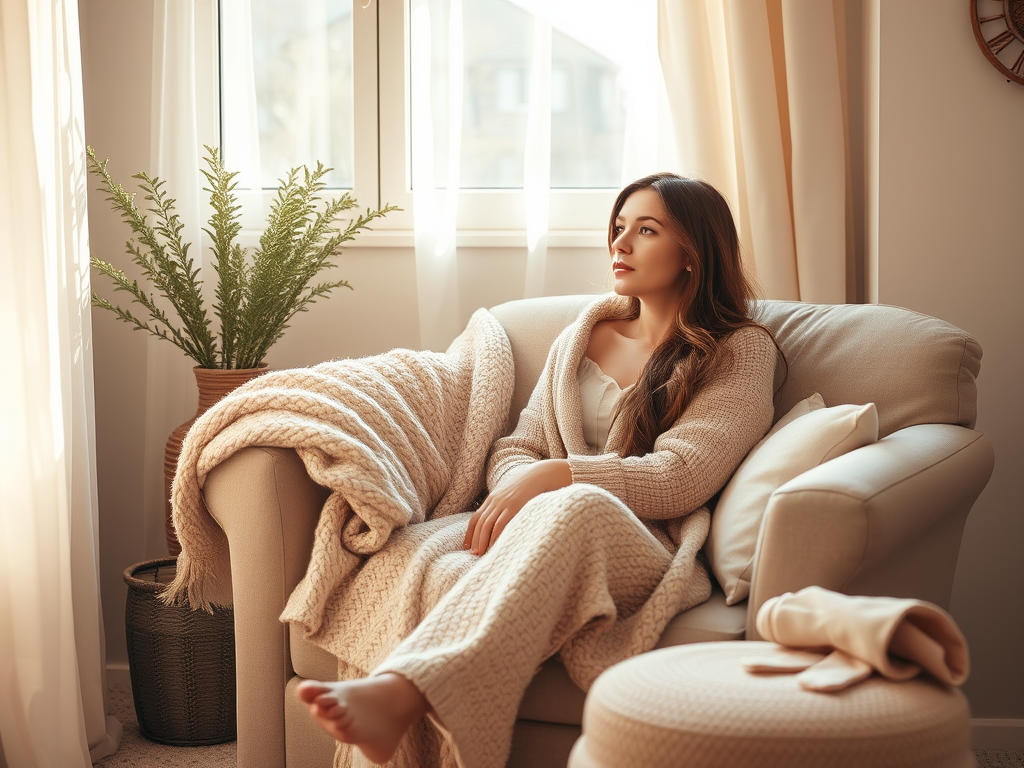
Some people stay in their work clothes all evening, move straight from the day into the night, and never feel the need to mark that transition at all.
For many Empaths, that idea feels almost foreign. Clothing isn’t just practical; it’s energetic. There’s a clear difference between what we wear to face the world and what we need to feel safe, grounded, and restored.
Changing clothes can be how we consciously separate external demands from personal space. It’s a way of saying, this part of the day is over now.
If you come home and immediately change into something soft, loose, and comfortable, it’s rarely just about clothes. It’s a ritual. A transition. A quiet signal to the nervous system that it is finally safe to exhale.
As I’m sure you’re more than aware, for Empaths, the outer world can be demanding, stimulating, and emotionally loud. Throughout the day, we absorb far more than most, energies, moods, unspoken tensions. Changing into comfortable clothing is one of the ways we consciously reclaim ourselves. It helps us to re-establish a sense of control over our environment and our body.

In a world where so much feels external and unpredictable, this simple act brings grounding, familiarity, and calm.
It also shows that we know how to unwind. Empaths understand that carrying the entire day into the night is a fast route to burnout. Comfort allows us to gently release the weight of what we’ve held, rather than pushing through exhaustion. By changing, we’re not “switching off,” we’re restoring our energy so we can meet the next day with presence and clarity.
There is also a strong boundary at play. Cozy clothes are a quiet declaration that we have clocked out. Home is not an extension of productivity or obligation; it is a personal sanctuary. This ability to separate professional life from personal life is not idleness, it is emotional intelligence.
As Empaths, we are natural creators of safe spaces, and home is where that instinct comes alive. Soft clothing contributes to an atmosphere of comfort, warmth, and serenity. It reinforces the idea that this is a place free from performance, judgment, or expectation. Here, we can simply be.
This habit also speaks to deep emotional awareness. We are attuned to our bodies and our inner state. We notice when tension needs releasing, when the nervous system is overstimulated, and when rest is required. Rather than ignoring these signals, we respond to them. That is self-respect in action.
When balanced, towards ourselves, choosing comfort can almost be like an act of kindness. It reflects a belief that rest is valuable and that softness is not weakness.
There is also a quiet appreciation for simple pleasures. Loose fabrics, warmth, ease, these small comforts bring genuine contentment. We don’t need excess to feel fulfilled; we find joy in feeling at peace.
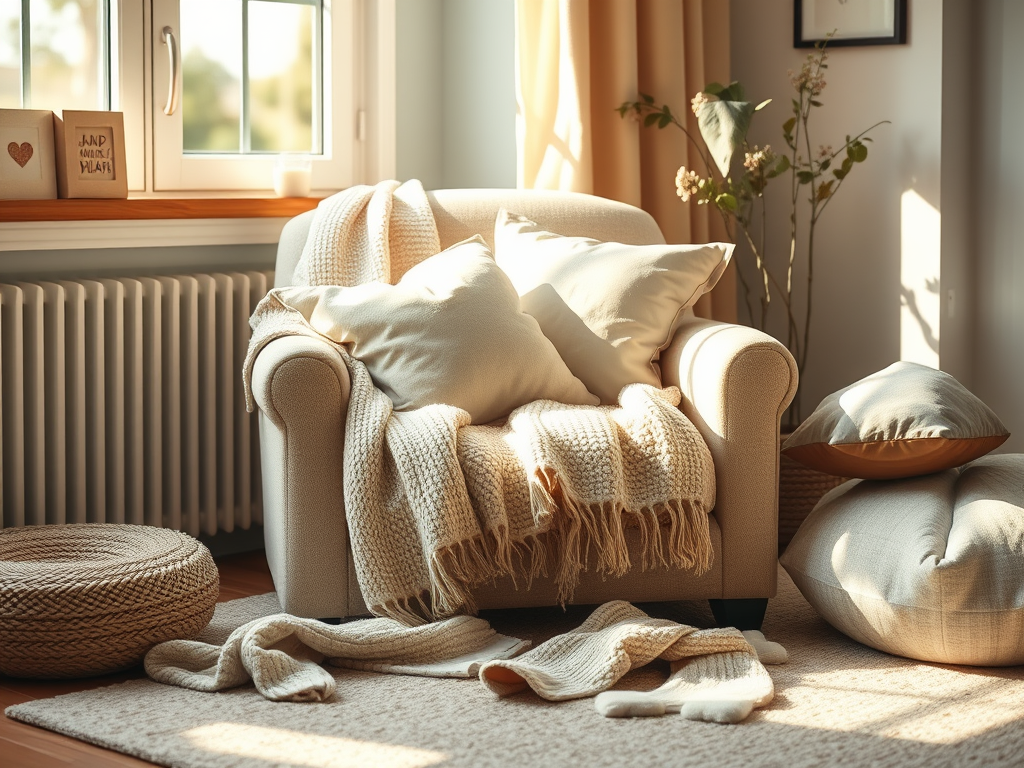
When we learn how to “come home,” truly “come home,” we will also discover how to care, restore, and sustain our energy in a world that often asks us to give far more than we receive.
I find it interesting how instinctive it becomes for Sensitive people to find comfort in all areas of life. We don’t analyse it or label it as self-care; we just do it. Our bodies know when they’ve had enough stimulation, enough holding, enough giving. Slipping into something soft becomes a small but powerful act of self-regulation.
While every Sensitive person experiences the world differently, most will discover their need to decompress. And this explains why comfort, ritual, and softness matter so much to us.
In noticing this difference, I was reminded that what might look insignificant on the surface often speaks volumes about how deeply someone feels, processes, and protects their energy. And sometimes, the smallest habits reveal the greatest self-awareness. Even if that is something as simple as choosing comfy clothes.
Until next time.
Diane.
 Empaths Empowered
I call them my happy pants. I always thought most people did that. You mean to tell me that it’s not ‘normal’? lol! I suppose not, my husband doesn’t rush to change into comfortable clothing, he wears work clothes all day and night until it’s time for bed. I transition from work clothes to nicer casual ‘happy pants’ before moving into my pajama bottoms later in the evening, closer to bedtime. I like to be comfortable when I get home but I don’t like to feel sloppy.
Speaking of comfortable clothing, have you noticed this new trend of people wearing pajama bottoms (and slippers sometimes) while out and about? I’m sure those folks are not empaths but rather, they’re just sloppy.
Happy pants. Love it!
And yes, I have noticed the pyjama trend both in adults and children. It’s not something I would want to try. My indoor comfies are for my leisure and relax time. Not for bobbing down to the shops. 🙂