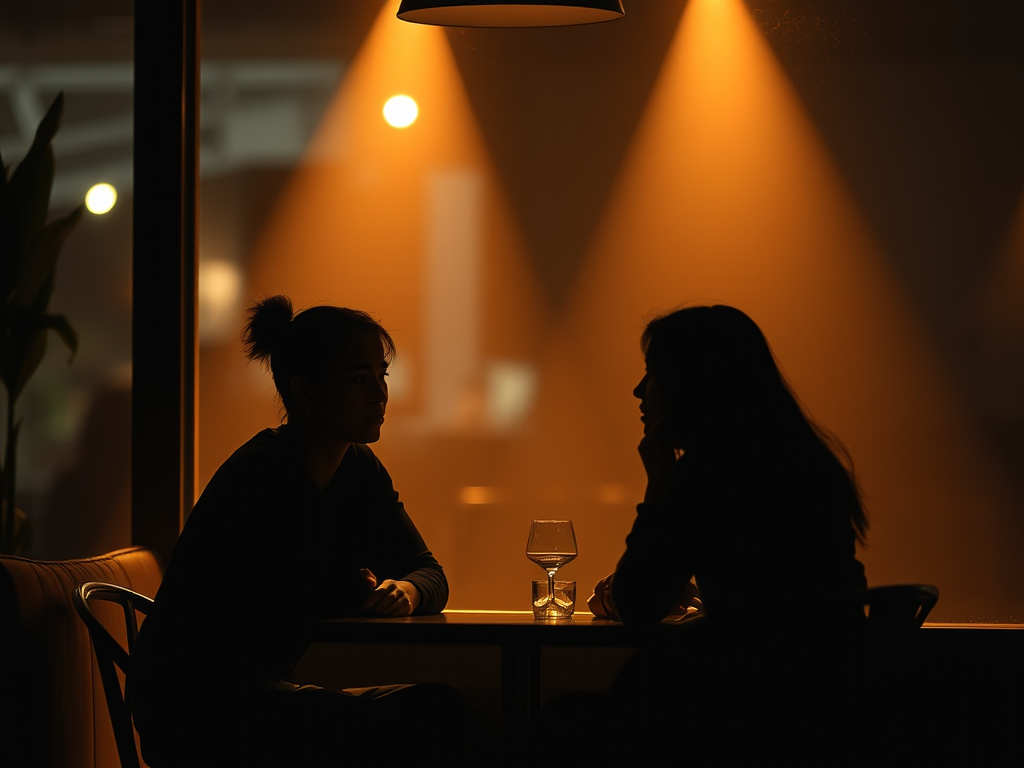
10 Things That Can Drain an Empath’s Energy (And What They Are Here to Teach Us)

Being an Empath is a beautiful gift, but it can also be exhausting.

Because we feel so deeply, we often absorb more than we realise, not just emotions, but environments, stress, and the energy of the world around us.

This isn’t a doom-and-gloom post. Quite the opposite.

The things that challenge us are often the very experiences that shape us, strengthen our intuition, and awaken us to a deeper understanding of ourselves and others.

Here are ten things that can weaken an Empath and why it’s important to become aware of them.

1. Constant Exposure to Negativity

Science has shown that our moods, stress levels and even our physical health can be affected by the people we spend time with. Emotions are contagious. Spending long periods around people who are chronically negative, critical, angry or pessimistic can impact our nervous system, increase stress hormones and leave us feeling emotionally depleted.

For an Empath, this effect is often magnified.

Empaths don’t simply observe emotions, they often absorb and process them as if they were their own. This can lead to exhaustion, anxiety, overwhelm and even physical symptoms such as headaches, digestive issues or poor sleep.

One of the greatest lessons an Empath learns is that protecting their energy isn’t selfish, it’s necessary.

2. Living in a State of Conflict

Most Empaths dislike confrontation. They naturally seek peace and harmony and often become distressed when there is tension around them.

Conflict doesn’t simply end when the conversation is over. An Empath may replay it repeatedly in their mind, analysing every word and carrying the emotional weight long after everyone else has moved on.

Living in prolonged conflict keeps the body in a state of stress, activating the fight-or-flight response and flooding the body with stress hormones.

This is why learning healthy boundaries and understanding that not every battle needs to be fought is such an important lesson for Empaths.

3. Consuming Fear and Distressing Media

We now live in a world of constant information.

News alerts, social media feeds and a never-ending stream of upsetting stories mean we are exposed to more suffering than any previous generation.

For Empaths, this can feel overwhelming.

Witnessing cruelty, violence or injustice, even through a screen, can create genuine emotional distress. The body often responds as though it is experiencing the event firsthand.

While staying informed is important, constantly feeding ourselves fear and negativity can leave us anxious, disconnected and emotionally exhausted.

Sometimes the most healing thing we can do is step away from the noise and return to our own inner stillness.

4. Narcissistic and Manipulative Relationships

Empaths often possess qualities such as kindness, patience and understanding. Unfortunately, these beautiful traits can sometimes attract people who seek to control, manipulate or take more than they give.

Narcissistic relationships can be particularly damaging because Empaths tend to see the wounded person beneath the behaviour and may stay far longer than is healthy.

These relationships can leave an Empath questioning themselves, doubting their intuition and becoming physically and emotionally drained.

One of the greatest lessons for an Empath is understanding that compassion does not require self-sacrifice.

5. Not Living Authentically

Empaths are deeply sensitive to truth and authenticity.

When they ignore their intuition, remain in relationships that no longer align, stay in jobs that drain them or continually put others before themselves, something inside begins to feel “off.”

Many Empaths describe this as feeling stuck, disconnected or even physically unwell.

Living out of alignment with who we truly are creates an internal conflict that the body often expresses through stress, anxiety and fatigue.

Our souls always have a way of guiding us back to ourselves.

6. Rejection and Feeling Unseen

Rejection can cut deeply for an Empath.

Because they tend to love wholeheartedly and invest deeply in their relationships, being misunderstood, abandoned or excluded can create wounds that linger for many years.

Many Empaths carry an unconscious fear of not belonging, which can lead them to overgive, overexplain or lose themselves trying to earn acceptance.

But one of the most beautiful lessons rejection teaches us is this:

Not everyone is meant to walk the same path as us, and sometimes being redirected is actually protection.

7. Low-Vibrational Foods and Lifestyle Choices

Everything we consume affects our energy.

Highly processed foods, excessive sugar, artificial additives and nutrient-poor diets can impact mood, inflammation, hormone balance and emotional wellbeing.

Empaths often seem particularly sensitive to what they put into their bodies and may notice that certain foods leave them feeling heavy, anxious or energetically depleted.

Likewise, lack of sleep, constant overstimulation and never taking time to rest can quickly lead to burnout.

The body and spirit are deeply connected, and caring for one always supports the other.

8. Unbalanced Chakras and Energy Depletion

From an energetic perspective, the chakras are centres through which life force energy flows.

When we experience trauma, prolonged stress, grief, anxiety or emotional overwhelm, our energy centres can become imbalanced.

What many people don’t realise is that each chakra is also closely associated with one of the body’s endocrine glands, the glands responsible for producing hormones that influence everything from mood and sleep to metabolism, immunity and stress responses.

For example:

  • Root Chakra – Adrenal glands (our stress response and sense of safety)
  • Sacral Chakra – Reproductive glands (creativity, emotions and relationships)
  • Solar Plexus Chakra – Pancreas (confidence, self-worth and personal power)
  • Heart Chakra – Thymus gland (immune function and emotional healing)
  • Throat Chakra – Thyroid gland (communication and self-expression)
  • Third Eye Chakra – Pituitary gland (intuition and inner wisdom)
  • Crown Chakra – Pineal gland (spiritual connection and circadian rhythms)

From a holistic perspective, prolonged emotional stress may affect both our energetic wellbeing and our physical health.

Many Empaths find that when they feel energetically out of balance, they also experience fatigue, anxiety, brain fog, hormonal issues or a weakened sense of self.

Whether you view chakras spiritually, symbolically or energetically, they offer us another way of understanding the profound connection between our emotions, our bodies and our wellbeing.

9. Electromagnetic Overload and Overstimulation

Modern life keeps us constantly connected.

Phones, laptops, notifications and endless information streams mean our nervous systems rarely get a chance to rest.

Many Empaths find they are highly sensitive to overstimulation and often feel calmer after spending time in nature or stepping away from technology.

Whether it is the technology itself or simply the mental overstimulation of modern life, creating moments of stillness and disconnection has become more important than ever.

10. Carrying Other People’s Pain

Empaths naturally want to help and heal.

But one of the quickest ways to become depleted is by carrying burdens that were never ours to carry.

Feeling compassion for someone is beautiful.

Taking responsibility for everyone else’s emotions is exhausting.

Learning to support others while still honouring our own energy may be one of the greatest lessons of the empath journey.

And Now for the Good News…

The experiences that challenge us often become our greatest teachers.

Like the lotus flower that grows from the mud, Empaths often discover their strength through the very things that once threatened to break them.

The difficult relationships, the losses, the rejection, the periods of darkness and uncertainty, all of it shapes us.

It deepens our compassion.

It strengthens our intuition.

It expands our understanding of life.

We often have to walk through the dark to truly appreciate the light.

The experiences that weaken us can also awaken us.

And perhaps that is the gift hidden within the struggle.

Until next time,

Diane

© Diane Kathrine
The Summer Solstice 2026: A Powerful Portal of Light for Empaths and Sensitive Souls

Saturday 20th June 2026 marks one of the most energetically significant days of the year, the Summer Solstice, a sacred turning point that has been honoured by cultures across the world for thousands of years.

The solstice is the longest day and shortest night in the Northern Hemisphere, symbolising abundance, illumination, growth, and the full expression of life’s energy. Ancient civilisations gathered at stone circles, temples, and sacred sites to celebrate the sun’s power and the promise of renewal, recognising this celestial event as a profound spiritual milestone.

For Empaths and highly sensitive people, the Summer Solstice often feels like far more than an astronomical occurrence. It can bring heightened intuition, emotional clarity, vivid dreams, and an increased awareness of both personal and collective energies. Many describe experiencing a sense of expansion, inspiration, or a powerful inner calling during this period.

A Time of Reflection and Transformation

As the sun reaches its highest point in the sky, the Summer Solstice invites us to pause and acknowledge how far we have come since the beginning of the year. It is an opportunity to celebrate growth while gently releasing anything that no longer aligns with our highest path.

For empaths, this is especially important. Because sensitive individuals naturally absorb the emotions and energies around them, the solstice offers a perfect moment to cleanse energetic burdens that do not belong to them.

Ask yourself:

  • What beliefs or fears am I ready to let go of?
  • What brings genuine joy and peace into my life?
  • Where am I being called to step into my authentic power?
  • How can I honour my own needs while continuing to care for others?

The answers may arrive quietly through meditation, journaling, or simply spending time in nature.

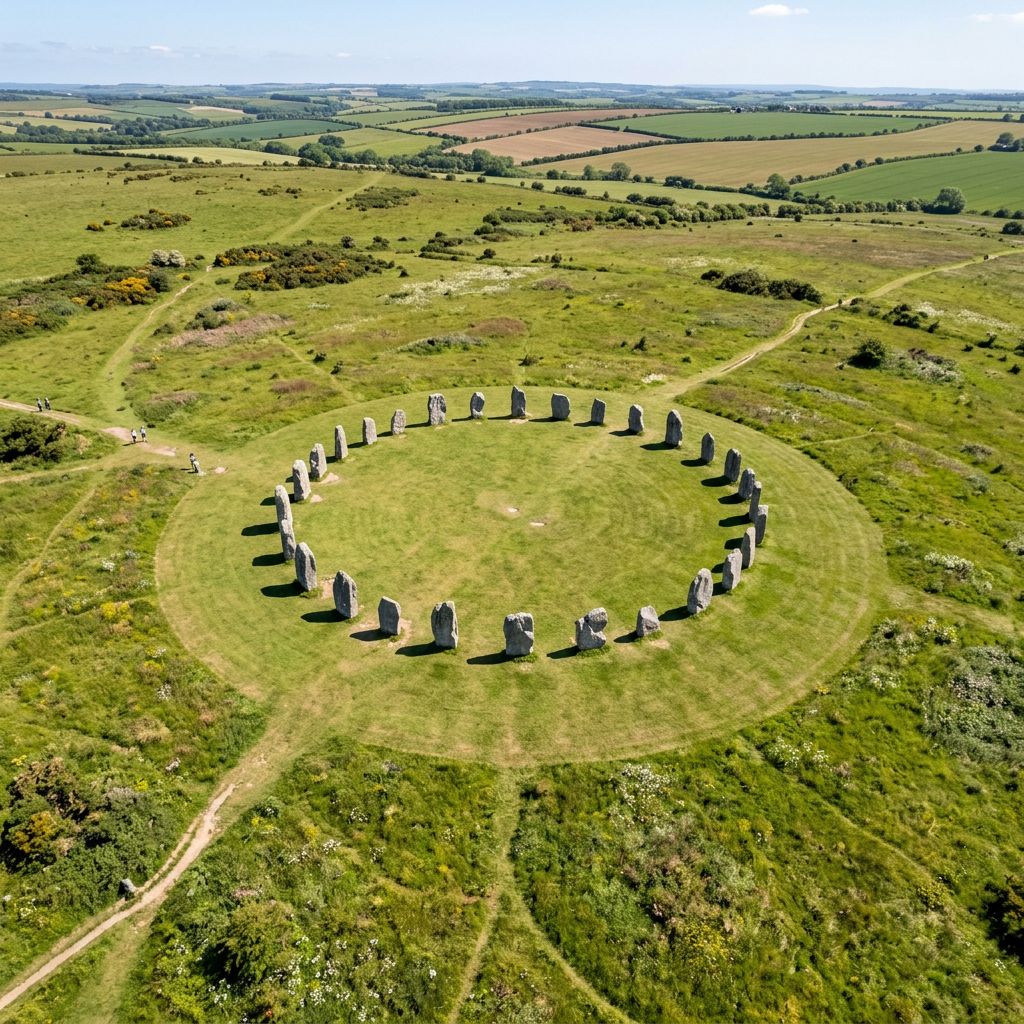
Prehistoric stone circle of standing stones in a grassy landscape
Aerial view of a prehistoric stone circle surrounded by green fields

The Solstice and Nature’s Healing Energy

Continue reading

The Natural “Energetic Antihistamine” for Empaths

Greetings,

I hope everything is keeping wonderful in your world.

Today, I want to talk again about a hormone that many Sensitive souls desperately need more of in their lives. Because when you deeply feel the emotions, moods, and energy of others, emotional overwhelm can quickly become exhausting.

Thankfully, this powerful hormone plays an incredible role in soothing the nervous system and helping us regain emotional balance.

It is one of my many theories that an Empath’s emotional reactions to other people’s energy can work very much like an allergy.

Let me explain…

Continue reading

The Quiet Signs A Friendship Is Doing More Harm Than Good

You may already know, especially if you are a regular reader of my blog, that certain people in our lives, those who bring stress, tension, or emotional heaviness, can quietly wear us down over time. They can even add years to our life in the way of premature aging.

I remember having a sense of relief when I finally understood that creating a little distance from certain relationships isn’t cold or unkind; it can actually be a deeply healing act towards ourselves.

But it took me time, quite a lot of time, to arrive at that understanding.

For the longest while, I questioned myself instead. I wondered if I was just being overly sensitive, if I was reading too much into things, or expecting too much from people. There was also that lingering belief that stepping back from someone, especially someone who had been in my life for a long time, somehow made me unkind… or worse, disloyal. I think many of us Empaths feel like we should endure and make space for others even when it is damaging.

This is a subject I explored last year in my post Empaths Are Not Emotional Punchbags, where I discussed the importance of recognising when we’re being drained or overextended. But what I feel drawn to talk about now are those long-term friendships that don’t necessarily feel obviously harmful, but over time have shifted or quietly soured in ways we may not immediately recognise.

Continue reading

The Empath’s Guide to Not Losing It at Christmas

It’s creeping up again… that time of year that some people adore and others quietly dread… Christmas!

For many, the festive season is pure magic. But in the past, December was one of my trickiest months.

As a child, and well into my twenties, I was Christmas‑obsessed. I loved every sparkle and song. But as the years rolled on, something shifted. December started to feel heavier, harder to navigate, and strangely draining.

Like clockwork, every year around late November, my mood dipped and my energy plummeted. I’d feel foggy, tense, almost like I was coming down with something. Then, as if by magic, around December 28th… I’d bounce back.

I blamed everything: work stress, too many nights out, winter darkness, lack of exercise, too much sugar, too much wine, you name it, I pinned it on that.

I tried everything to make December easier: changing my diet, cutting out alcohol, exercising more, taking sunshine breaks… but nothing shifted that December slump.

And then it hit me, the problem wasn’t my energy at all.

Continue reading

Does People Intolerance Really Exist? (Spoiler: Yes!)

Apologies for not posting since early May. I’ve been crazy busy will a gazillion different things (still am).

I started this post two months ago, and I’ve only just got around to its completion. And I have to be honest, I have used AI for the edit.

Anyone who blogs will know, it’s not always the article writing that takes the time, it’s the editing. But just so you know, the words are still from me.

So, here we go…

Does people intolerance really exist?

This isn’t about disliking someone because of their attitude or personality. It’s not even necessarily about the other person at all; it’s about how our energy reacts to their energy. And that reaction? Well, it can feel like emotional whiplash.

What Is People Intolerance, Really?

The best way I can describe it is this: it’s a bit like a food intolerance.

Some foods that are healthy on paper—fruits, vegetables, nuts, etc. But for some of us, they just don’t sit right. It’s often the histamines, oxalates, or lectins. Either way, the reaction can range from brain fog and tiredness to irritability or even mild anxiety.

And people can affect us in a similar way.

You spend time with someone: maybe a co-worker, a relative, or even a friend you like, and afterwards, you feel completely wiped out. Not because of anything they said or did, but because of how your system responds to their energy (although sometimes negative talk can have the same impact.)

Common Symptoms of People Intolerance

You might walk away from a conversation or gathering feeling:

  • Emotionally drained or sluggish
  • On edge or unusually irritable
  • Depressed for no reason
  • Foggy-headed and unable to focus
  • Like you’re carrying around someone else’s mood
  • Moody or spaced out

Sound familiar?

It’s not in your head. Us Sensitive people are like emotional sponges. We absorb more than most, and if we’re not careful, that can throw us right off balance.

Why Does It Happen?

In short: stress. Any form of stress. Physical, emotional or energetic can impact us deeply, especially when we’re tuned into the subtle shifts in others.

When we’re around certain people, we may unknowingly take on their emotional energy, even if they don’t seem outwardly stressed. They might be masking anxiety, anger, or sadness, and our sensitive system just picks it all up like a sponge.

Other times, it’s simply a clash of energy. Our system says, “No, not for me,” even if nothing’s wrong on the surface. And like with food, it may have nothing to do with quality, just compatibility.

So, How Do I Deal with People Intolerance?

I’ve learned a few handy tools to help clear out those dense vibes and return to my natural state of peace and balance:

1 Avoid when possible: Let’s be real—sometimes you can’t avoid people completely. But if I notice repeat reactions around certain individuals, I try to create a little distance when I can. Boundaries are magic.

2. Take a shower: There’s something about water that just cleanses energy. A quick shower (especially with sea salt soap or essential oils) works wonders for shaking off lingering emotional gunk.

 3. Get grounded: This could be a barefoot walk on the grass, sitting in the garden, or just lying on the floor with my hand on my heart. Grounding helps pull my energy back into me.

5. Reach for your crystals: Black tourmaline, amethyst, or hematite—just having them near or in my pocket brings a sense of calm and protection. They’re like energetic bodyguards.

6. Do  yoga: Gentle movement helps move energy through the body. It’s especially good when I feel sluggish or heavy after social time.

7. Deep breathing: Even 3–5 minutes of mindful breathing can reset the nervous system. Inhale peace, exhale people problems.

8. Aromatherapy oils: Lavender, frankincense, chamomile and clary sage are some of my go-tos. A few drops on the wrists or diffused into the room brings an instant energetic shift.

Final Thoughts

So yes, people intolerance is a thing. And while it might sound odd to some, those of us who feel deeply know it’s real. The key is not to judge yourself for it or blame others.

Everyone is vibrating at their own frequency. Sometimes, those frequencies just don’t work well with ours, and that’s okay.

Take care of your energy like you would your health. Tune in, notice how you feel after time with others, and don’t be afraid to honour your needs.

Whether that means taking a step back, grounding yourself, or just breathing through it.

Hope this helps on your journey.

Until next time,

Diane

©DianeKathrine

Why Natural Daylight Matters to Sensitive People

Have you noticed how more and more people are talking about the benefits of getting natural daylight?

A subject that was little heard of a year ago is fast becoming more mainstream.

In 2023, I shared a post on daylighting (Going outside first thing in the morning.), and how it had an incredible impact on me in a very short space of time. Read more here.

Because it is such an important subject, and because I truly believe in its benefits, today I am back sharing some more information and how to make the most out of sunlight.

THE EMPATH UNVEILED

I love going out, in my garden, first thing in the morning. It brings so much peace into my day.

Here in Manchester, the tree pollen count has been quite high this past month. Unfortunately, this means I can’t stay out as long as I would normally. (Even with the use of high dose Nettle, and other homeopathic blends. I don’t like using antihistamines unless absolutely necessary.)

But still, I probably get around fifteen minutes, first thing. This seems enough to set up my circadian rhythm for the day. I also get out for five or ten minutes here and there through the day if I can.

To me, this shows how a short time outdoors can be enough to work its magic. Or in other words, we don’t have to spend hours outside to reap the benefits of natural light.

Photo by Sebastian V. on Pexels.com

Nor does the sun have to be shining. Which is good, considering this part of the world seems intent on rationing our sunshine.

Countless health professionals are now realizing the incredible health benefits of natural light and sunlight. As well as spending more time outdoors in nature.

We are always exposing ourselves to blue light from artificial lighting. Our phones and computers are the worst culprits. This exposure upsets the release and rhythm of our hormones, especially cortisol, melatonin, and lepton.

These are our master hormones that we really do not want to offset. But so many of us do without even realizing. This can be behind the cortisol spikes that, amongst other things, cause anxiety, panic attacks and even weight gain.

In fact, there are many ways that we are negatively impacted by too much blue light, and lack of sunlight.

I came across some information, I think it was on a Wellness Mama email, from a leading expert in biohacking, longevity and health, Kayle Barnes, about natural light exposure that you may find of interest:

And just to add to that list, skin cancer has gone up exponentially since the introduction of suntan creams. Which could be considered baffling, considering that one of the benefits was supposedly protection against skin cancer.

When applying high factor sun creams, we are blocking vitamin D absorption. This vitamin is known to be protective against cancer.

And do we really know how safe these creams are? What chemicals are in them? Everything that goes on our skin tends to get inside our bodies.

Now am I suggesting to go outside and spend us much time in the sun as possible unprotected?

No.

Too much of a good thing is not always good. And, let’s face it, the sun always warns us. It makes our skin resemble a tomato when we have had enough.

The Benefits

So, what are the benefits of being exposed to natural light for Sensitive people?

CHANGE YOUR LIFE WITH DAYLIGHT

Well, firstly, we receive the same benefits that everyone else does. But by lowering high cortisol levels it goes a long way to bringing us back into balance.

Being Sensitive means we have a lot of emotional upheaval to deal with. This can cause high cortisol. It can also lead to physical or mental issues. Allowing the power of the sun to rebalance us, naturally, can only be a good thing.

And this is where practicing of daylighting really helps. Getting outdoors is first thing is probably the safest time of day.

Daylighting is one of those things that, in my opinion, the more you practice the better results you experience. But I also advocate Earthing (Grounding) at the same time. I’ve done it both ways and connecting to the Earth simultaneously really does bring in something special to the mix.

So, if you haven’t already got into a daylighting routine, here’s some tips on how to best make the most out of your morning/daytime practice:

  • Go outside as soon as you wake up. Before you turn on any lights, your phone or your computer. Look in the direction of the sun (not directly at it). It doesn’t matter if there are buildings or mountains in the way. As long as you are looking towards sunrise, you will get the benefit.
  • If you can’t get outside, open a window, pop your head out, and look in the direction of sunrise.
  • Take your morning brew outside with you and use it as your come around time. When you sit quietly, with no distractions, it is amazing the kind of insights that you receive.
  • Try Earthing at the same time. Do it both ways. With and without. See the difference for yourself.
  • Take a grounding and energising crystal outside with you, such as Black Obsidian and Clear Quartz. Focus on their energy, and see how they work. Again, this is one of those things that you can try daylighting with and without and see for yourself if there’s any more benefits.
  • Keep an umbrella and a blanket on hand. It can get chilly first thing, especially if you are connecting to a cold ground, and if it starts to rain you’ve got it covered.
  • Take Sunshine snacks throughout the day. This works especially well if you work indoors. Ten minutes here and there throughout the day all adds up.
  • And finally, use good blue light blocking glasses when using your phones or computers. This isn’t something you would do outside. But it is especially important to use them before sunrise or after sunset. This will also help keep circadian rhythms in check.

Have you tried daylighting yourself?

If so, what benefits have you had?

Let’s take back control of our health and happiness naturally!

Until next time.

Diane

©DianeKathrine

Empaths Empowered

Diane Kathrine

theknowing121@gmail.com

Designed with WordPress